CFO Services With Focus on Creating Value
Oak CEO provides CFO services for companies that need senior financial leadership without committing to a permanent full-time hire, working alongside management with a co-owner mindset and a clear focus on long-term value creation. Depending on your situation, the role can be delivered on a fractional, interim, virtual, or outsourced basis.
Looking for Customized CFO Services?
Get Started:
- Fill out the form and briefly describe your company, your current situation, and what type of financial support you are looking for.
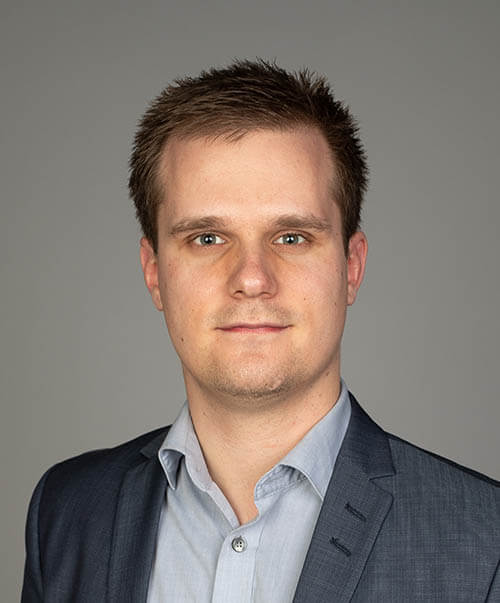
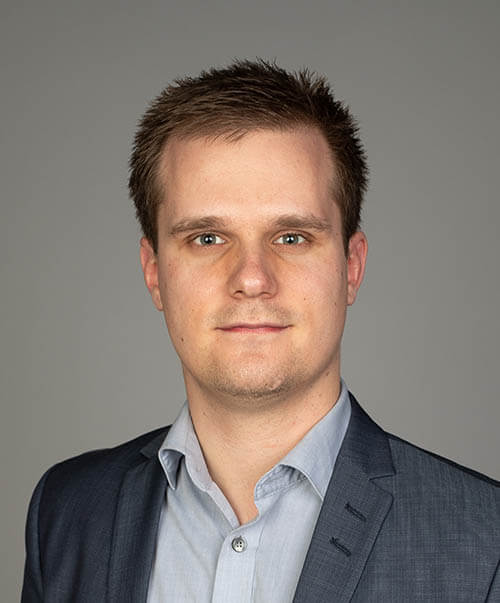
- Our expert, Christoffer Nielsen, will reach out within 24 hours to discuss needs, priorities, and which CFO model best fits your business.
- We’ll provide a tailored proposal with recommended scope, cadence, and a practical plan for the finance function.
Christoffer Nielsen
Phone: (737) 232-0838
What We Do in the First 90 Days
Day one sets the trajectory. We map your financial foundations, identify quick wins, and put the right controls in place — so you can move from reactive to strategic in weeks, not quarters.
See the 90-day plan →Our Weekly Oversight Process
Senior expertise on a consistent cadence — reporting, cash flow, KPIs, and board-ready insight delivered week after week. Structure that compounds over time without a full-time salary.
Explore the process →Already Decided? Let’s Talk.
Tell us about your company and what you need. Christoffer will respond within 24 hours with a clear proposal — scope, cadence, and a plan built around your priorities.
Contact us now →What Are CFO Services? – Our Value-Creating Perspective
CFO services provide businesses with access to senior financial expertise without committing to a permanent executive hire.
A CFO (Chief Financial Officer) is the senior executive responsible for overseeing a company’s financial strategy, performance, and governance, ensuring that financial decisions support long-term business growth and stability. Hiring a full-time CFO can be a significant investment, which is why engaging one on a part-time or interim basis is often a more flexible and cost-effective solution.
CFO support is not a generic add-on. It is structured around how the business actually operates and what it needs to achieve in the near term. In practice, this means establishing a clear cadence early on: stabilizing reporting and cash visibility in the first weeks, setting priorities with management, and then moving into a disciplined weekly rhythm focused on liquidity, performance, and execution, with the aim of creating substantial value for your business. We have summarized the process for what we do during the first 90 days and how the weekly oversight process looks like.
The exact role depends on your situation and needs – whether it’s ongoing guidance, hands-on leadership during a transition, or targeted work on a specific initiative. The objective is always the same: create clarity in the numbers, enforce accountability, and translate financial insight into better decisions and measurable progress. We always operate with a clear focus on creating value for your business.
Our CFO services
- Fractional CFO: A fractional CFO works with your business on a part-time, ongoing basis. This model is ideal when you need consistent senior financial oversight, such as reporting, forecasting, and strategic input, but not a full-time executive. It creates continuity and builds long-term financial discipline while remaining flexible in scope and cost.
- Interim CFO: An interim CFO is typically brought in full-time for a defined period. This is most relevant during leadership gaps, restructuring, transactions, or periods of rapid change. The focus is on stabilizing the finance function, making critical decisions quickly, and ensuring the business continues to operate effectively until a long-term solution is in place.
- CFO Services for Small Businesses: We help owner-led companies build real value by strengthening financial fundamentals—clear reporting, controlled cash flow, and practical decision support. Our hands-on approach improves visibility, sharpens strategy, and drives smarter, sustainable growth without unnecessary complexity.
- Outsourced CFO services: Refers in general to external financial leadership delivered through a firm or advisor. This can take the form of either fractional or interim support, depending on your needs.
- Virtual CFO: Delivers the same level of expertise remotely. With modern tools and reporting systems, location is no longer a constraint. This model works especially well for companies that want senior financial insight without requiring on-site presence, while still maintaining regular communication and oversight.
We approach every engagement with a co-owner mindset, treating your business as if it were our own and focusing on decisions that build long-term value.
Fractional CFO vs. Interim CFO – Differences
A fractional CFO is usually an ongoing, part-time solution. The company gets senior financial leadership on a recurring basis, but only to the extent actually needed. An interim CFO is more often a full-time temporary executive brought in to cover a vacancy, navigate a crisis, or lead through an important event. One is built around continuity and flexibility. The other is built around immediate capacity and short-term intensity.
| Dimension | Fractional CFO | Interim CFO |
|---|---|---|
| Engagement model | Part-time, recurring involvement | Full-time, temporary assignment |
| Primary purpose | Ongoing financial leadership and development | Immediate coverage and execution during change |
| Typical triggers | Growth, increasing complexity, better reporting needs | Sudden vacancy, liquidity pressure, transaction, turnaround |
| Time horizon | Flexible and extendable over time | Defined period with a clear handover point |
| Focus areas | Governance, forecasting, KPIs, cash flow, planning | Stabilization, urgent priorities, stakeholder management, remediation |
| Continuity | High—builds capability over time | Lower—focused on a temporary business need |
| Cost profile | Lower fixed burden; buy only needed capacity | Higher short-term cost due to full-time scope |
| Integration | Embedded in recurring leadership rhythm | Inserted to lead intensively through a defined phase |
| Decision rights | Typically tailored around advisory and selective authority | Usually broader authority to move quickly |
| Deliverables | Forecasts, reporting cadence, dashboards, finance structure | Stability plans, liquidity control, transition management, transaction readiness |
| Bank/Investor relations | Builds and maintains confidence over time | Responds to urgent requests and restores trust fast |
| Best for | Companies needing senior finance leverage without a full-time hire | Companies facing urgent change, risk, or a leadership gap |
When Should We Use CFO Services?
Companies usually start looking for CFO services for one of two reasons: they need stronger recurring financial leadership, or they need senior support for a defined event or priority.
1. Ongoing Needs
When the company has outgrown basic bookkeeping or controller-level reporting, but still does not need a permanent CFO, senior recurring support can:
- Establish a reliable reporting calendar and rolling cash flow view
- Create trust with lenders, owners, auditors, and other stakeholders
- Introduce sharper follow-up on margin, pricing, cost control, and performance
The result is a more mature finance function that grows with the business, without requiring a full executive salary before the time is right.
2. Strategic Projects
Sometimes the business needs concentrated financial expertise around a specific milestone. Typical examples include:
- Preparing for a sale, diligence process, refinancing, or capital raise
- Professionalizing finance routines ahead of succession or ownership change
- Building budgeting, KPI frameworks, and better management reporting during growth
- Supporting post-acquisition reporting, integration, and cash management
In these cases, the CFO role becomes a driver of clarity and momentum—turning financial information into decisions that move the company forward.
Oak CEO approaches CFO services from a value perspective: tighter governance, better decisions, stronger profitability, and a business that becomes more transferable, more resilient, and more attractive over time.
How CFO Services from Oak CEO Increases Your Business’ Value
Creating Value
With our background in M&A and valuation, Oak CEO looks beyond bookkeeping and routine reporting. Our CFO services are designed to improve the underlying quality of the business: better cash conversion, stronger margins, clearer numbers, better controls, and better preparation for whatever comes next.
When a company is under pressure, that may start with restoring control and creating transparency. In healthier situations, the focus may shift toward profitability, reporting quality, financing readiness, or reducing dependence on a single owner or employee.
This often means prioritization, tightening weak areas, questioning old habits, renegotiating terms, and improving the economics of the business in practical ways. The aim is not just order for its own sake, but measurable progress that compounds over time.
Examples of Our CFO Services in Practice
Consider a mid-sized company preparing for an eventual exit. Over a six-month engagement, Oak CEO can provide CFO services that help the business:
- Improve cash flow by tightening receivables, inventory, and supplier-term management
- Build a timely close process and reporting that management can actually use
- Create SOPs for approvals, finance workflows, and performance follow-up
- Lift margins through pricing work, cost discipline, and better mix decisions
- Prepare books, documentation, and reporting for external scrutiny and due diligence
The outcome is not just a tidier finance function, but a stronger company with higher confidence from owners, lenders, buyers, and other stakeholders.
How CFO Services Bring Financial Discipline

In many owner-led companies, the CEO ends up carrying sales, operations, people, and finance at the same time. That works only up to a point. As the business grows, the numbers become too important, and too complex, to manage on instinct alone.
CFO services create the structure that growing companies often lack: clearer books, more reliable reporting, forward-looking cash visibility, better controls, and stronger financial priorities. Instead of reacting late, management gets the information needed to act earlier and with more confidence.
The best CFO support should also feel commercially useful. Not just a finance gatekeeper, but a senior partner who can help the owner think more clearly, spot risks sooner, and make better decisions.
How to Define the CFO Mandate
For CFO services to work well, authority and expectations must be clear from the beginning. Should the CFO approve investments, negotiate banking terms, sign contracts within limits, or lead changes in the finance function? When the mandate is vague, execution slows and accountability gets blurred.
A few points need a clarification early on:
- Can the CFO hire, restructure, or replace resources inside the finance team?
- Does the mandate include renegotiating leases, financing terms, pricing structures, or major agreements with suppliers?
- What approval limits apply to spending, investments, and external financial communication?
With the right guardrails in place, the owner and CFO can work in sync—improving control, profitability, and long-term business value.
Strategic or Operational?
The CFO role looks different depending on the size of the company and what the business actually needs. In some organizations the emphasis is operational. In others it is strongly strategic. Often, especially in privately held companies, it is a mix of both.
1A — Operational CFO (larger company)
In a mid-sized or larger company, an operational CFO may primarily lead the finance and accounting organization, oversee controllers and accountants, coordinate with auditors, and make sure reporting and controls are working as they should.
1B — Operational CFO (smaller company)
In a smaller company, where there may be only one bookkeeper or outsourced accounting, the CFO often needs to be more hands-on. The role may include improving processes, structuring the monthly close, and raising the overall quality of the financial function.
2A — Strategic CFO (larger company)
In larger businesses, a strategic CFO is more focused on forecasting, capital structure, growth planning, financing, investor and bank relations, acquisitions, and decision support than on day-to-day bookkeeping or accounting administration.
2B — Strategic CFO (smaller company)
In smaller and mid-sized companies, strategic CFO work is usually more practical. It may involve improving the credibility of the numbers, moving from basic reporting to audit-ready statements, tightening working capital, improving inventory and receivables discipline, and deliberating closely with the CEO on the financial decisions that matter most.
Inquire About Our CFO Services
Oak CEO provides services that help companies gain control, improve performance, and build long-term value. Whether you need fractional support, interim leadership, outsourced capability, or a virtual setup, we tailor the role to your situation and your priorities.
Christoffer Nielsen
Phone: (737) 232-0838
christoffer@oakceo.com