Your Fractional CFO in Denver – For Value Creation
Oak CEO offers skilled Fractional CFO services in Denver, delivering expert financial leadership, enhanced reporting, and superior oversight without the expense of a full-time CFO.
Is Your Business in Need of a Fractional CFO in Denver?
Get In Touch:
- Complete the form with a short explanation of why you’re considering a fractional chief financial officer.
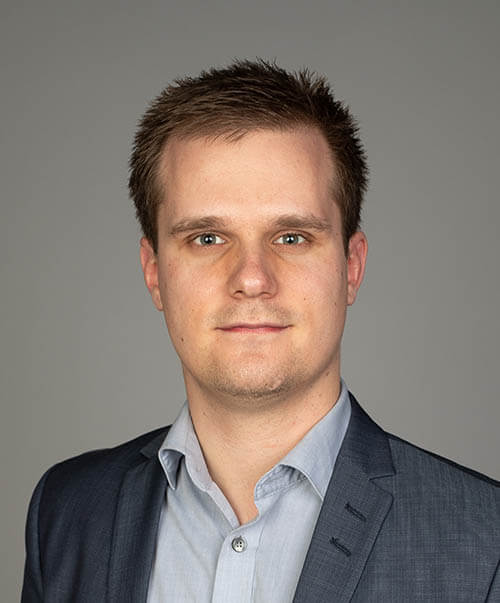
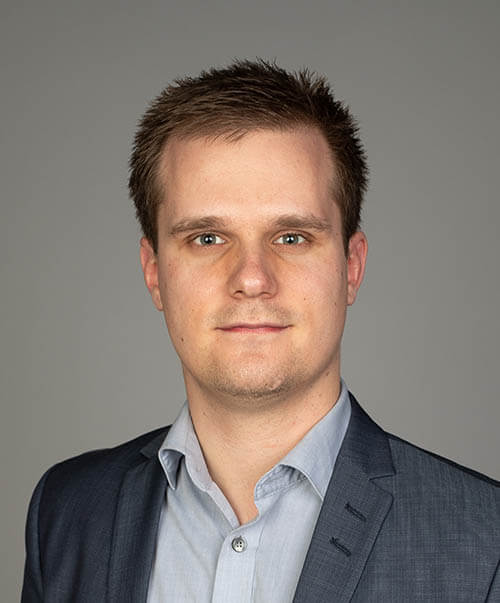
- Our specialist, Christoffer Nielsen, will reach out within 24 hours to discuss your priorities, preferred schedule, and the current status of your financial operations.
- We will propose a tailored plan for Fractional CFO services, outlining the scope, expected outcomes, and a practical approach customized for your enterprise.
Christoffer Nielsen
Phone: (737) 232-0838
What We Do in the First 90 Days
Day one sets the trajectory. We map your financial foundations, identify quick wins, and put the right controls in place — so you can move from reactive to strategic in weeks, not quarters.
See the 90-day plan →Our Weekly Oversight Process
Senior expertise on a consistent cadence — reporting, cash flow, KPIs, and board-ready insight delivered week after week. Structure that compounds over time without a full-time salary.
Explore the process →Already Decided? Let’s Talk.
Tell us about your company and what you need. Christoffer will respond within 24 hours with a clear proposal — scope, cadence, and a plan built around your priorities.
Contact us now →Discover What Our Fractional CFO Can Offer Your Denver Business
A fractional CFO delivers hands-on financial management aimed at enhancing your business’s performance. Rather than rushing to a full-time hire, you gain seasoned expertise where it’s needed most: managing cash flow, clarifying reports, forecasting, financial structuring, and improving decision-making.
For owner-operators and expanding businesses in Denver and surrounding areas, this method offers tangible results. Through adaptable fractional CFO services and outsourced CFO offerings, you access senior-level expertise that fortifies your financial processes, boosts clarity, and supports a well-controlled, scalable, financially robust business.
Fractional CFO vs. Interim CFO – Which Is Right for You?
A fractional CFO engages with your company on a part-time but ongoing basis, ideal for long-term senior financial leadership. An interim CFO usually addresses a temporary need, such as a sudden transition or vital business challenge. One focuses on continuity and incremental improvement, the other on providing immediate full-scale support.
| Aspect | Fractional CFO | Interim CFO |
|---|---|---|
| Engagement Format | Recurring, part-time leadership | Short-term, often full-time assignment |
| Key Objective | Gradually reinforce the finance department | Seize control during a shift or urgent situation |
| Common Scenarios | Expansion, complexity escalation, reporting deficiencies, need for improved oversight | Vacancy, crisis management, transaction demands, restructuring |
| Timeframe | Flexible and continuous | Specified period with a transition point |
| Areas of Focus | Projections, governance, performance indicators, profit margins, working capital | Stabilization, urgent implementation, remediation, leadership in transitions |
| Continuity | High—developments accumulate over time | Lower—intended to address a temporary requirement |
| Cost Dynamics | Cost-effective when only part-time senior leadership is necessary | Higher initial outlay but concentrated over a short term |
| Integration | Integrated into standard leadership procedures | Guides through a specified phase |
| Decision Authority | Customized to the role and organizational needs | Typically broader to facilitate swift action |
| Expected Outputs | Predictive analysis, regular reporting intervals, dashboards, financial priorities | Plans for stabilization, transition assistance, emergency controls, transaction preparation |
| Relations with Banks and Investors | Develops reliability and trust progressively | Rapidly addresses urgent stakeholder issues |
| Ideal for | Companies seeking senior financial support without hiring full-time | Enterprises confronting pivotal yet temporary challenges |
Which option is right for you?
Employee liability, presentations with buzzwords or real legwork?
When Should You Consider Fractional CFO Services?
Businesses exploring fractional CFO services in Denver typically require either consistent senior financial oversight or expert support for a significant project.
1. Ongoing Leadership Demand
When your business has advanced beyond basic accounting support but isn’t ready for a permanent CFO, a fractional finance leader can:
- Establish a consistent monthly reporting system and a comprehensive cash flow outlook
- Enhance dialogue with financiers, owners, auditors, and other stakeholders
- Improve oversight of pricing, working capital, profit margins, and financial metrics
This provides senior financial discipline without committing to a full executive salary before it’s necessary.
2. Key Strategic Initiatives
Occasionally, the requirement is linked to a milestone or special project, possibly followed by a reduced ongoing need. Examples include:
- Planning for a sale, refinancing, diligence, or investor negotiations
- Ownership changes requiring a more professional finance function
- Growth efforts demanding improved budgeting, forecasting, and KPI frameworks
- Post-acquisition integration emphasizing reporting, cash management, and integration discipline
In these scenarios, a contract CFO brings order, builds credibility, and ensures decision-ready financial insights—crucial when there’s little room for error.
At Oak CEO, our CFO services in Denver focus on value creation: enhanced governance, informed decisions, and a finance operation that supports growth, profit, and future preparedness.
Enhancing Your Business Value with Our Fractional CFO Services
Value Addition
Our methodology is rooted in valuation principles, transaction experience, and practical operational enhancements. The objective is not just better-organized financials but a more robust, valuable business. This includes boosting cash flow, refining reports, improving profit margins, instilling disciplined practices, and supporting accountability in decision-making.
When faced with challenging scenarios, the priority becomes regaining control—clarifying numbers, stabilizing cash flow, and cultivating predictability. As stability improves, the goal shifts towards increasing profitability, fortifying the balance sheet, enhancing working capital, and readying the company for financing, growth, or eventual ownership change.
We address challenges with a stakeholder’s mindset. This involves questioning assumptions, focusing on genuine value drivers, and ensuring every decision and action contributes to creating a more resilient and sustainable business over time.
What a Fractional CFO Can Achieve
Consider an owner-directed enterprise in Denver gearing up for a sale, refinancing, or a new growth phase. Over a specified duration, Oak CEO steps in to:
- Enhance cash flow by optimizing control over receivables, stock levels, and supplier terms
- Create a dependable monthly reporting framework with clear and consistent protocols
- Implement stronger approval practices, clearer operational guidelines, and more rigorous follow-up
- Boost profitability by adjusting pricing, optimizing costs, and focusing on financial analysis
- Get ready for financiers, investors, or potential buyers with well-prepared financial documents and solid reports
The outcome transcends a well-organized finance function, resulting in a business that is more controlled, credible, and ultimately more valuable.
Achieving Financial Discipline Through a Fractional CFO

Many small to mid-sized enterprises lean heavily on the owner or CEO to make financial calls, even when these leaders are already overburdened. As the business expands, this setup often leads to unaddressed gaps in cash flow, reporting, profitability, and risk management.
A fractional CFO intervenes to create order where it is lacking. This could mean better financial records, clearer projections, robust management reporting, more thorough approval processes, and sharper oversight of what truly drives results.
An effective CFO understands finance deeply and serves as a strategic business partner, aiding leadership in making well-informed decisions and strengthening the company over time.
Defining the Proper Scope for Your Fractional CFO
A fractional CFO is more effective when their responsibilities are outlined from the start. The business should decide the level of authority granted to the role, ascertain which decisions require owner approval, and establish areas where the CFO is to lead versus advise.
Crucial questions to consider early on include:
- Can the CFO modify roles, responsibilities, or staffing numbers within the finance department?
- Does the CFO have the power to renegotiate banking terms, supplier contracts, leases, or pricing models?
- What is the approval threshold for expenditures, investments, and external communications?
Once the scope is predetermined, the management team and fractional CFO can prioritize execution over ambiguity.
Strategic, Operational, or a Blend?
The CFO role can vary significantly based on the company’s size, focusing either on daily management, strategic financial planning, or a combination.
1A — Operational CFO (Large Business)
In larger organizations, the role may be geared towards leading the finance division, coordinating accountants and controllers, managing audits, and ensuring proper functioning of reporting, controls, and compliance.
1B — Operational CFO (Small Business)
In a smaller setup, the CFO generally takes a more hands-on approach. This might entail working with a single bookkeeper, outside accounting support, or a lean internal team to establish comprehensive financial processes.
2A — Strategic CFO (Large Business)
In more mature companies, the role might emphasize planning, financing, banker or investor interactions, growth initiatives, and strategic decision support, while leaving operational accounting to the wider finance team.
2B — Strategic CFO (Small Business)
In smaller, owner-driven firms, strategic CFO activities are typically more hands-on and business-centered. This might involve enhancing book quality, creating better balance sheets, tightening working capital, improving cash flow, and guiding the CEO in making stronger financial decisions.
Partner with Us as Your Fractional CFO in Denver
Oak CEO provides Fractional CFO expertise for Denver-based businesses looking for enhanced financial leadership, improved monitoring, and a pragmatic approach to sustainable value creation. Reach out to explore scope, scheduling, and the type of CFO support that aligns with your business needs.
Christoffer Nielsen
Phone: (737) 232-0838
christoffer@oakceo.com