
At Oak CEO, we review a number of critical operational and financial areas with our clients every week to maintain clear oversight of the business. Besides going through a structured first 90-day process, we consistently check bank activity, invoices, KPIs, and sales flow to ensure that the numbers align with reality and that potential issues are identified early.
1. Bank accounts

Small business owners underestimate how vulnerable they are to fraud, regardless of the source of that fraud. Unfortunately, the most common fraud originates from the mistake of having the same person within the business in charge of both the accounting records and the payables.
Furthermore, there are likely services you may not need anymore, including but not limited to subscriptions. Any payment that does not make sense or is not necessary will be stopped.
2. Incoming and outgoing invoices

Keeping track of incoming and outgoing invoices largely serves the same purpose as above, by connecting the dots.
There is also something that I like to call semi-fraud. It is when suppliers add fees that were not agreed to. If any supplier is a repeat offender, they will be benchmarked and/or required to requalify and/or sign contracts.
3. KPIs
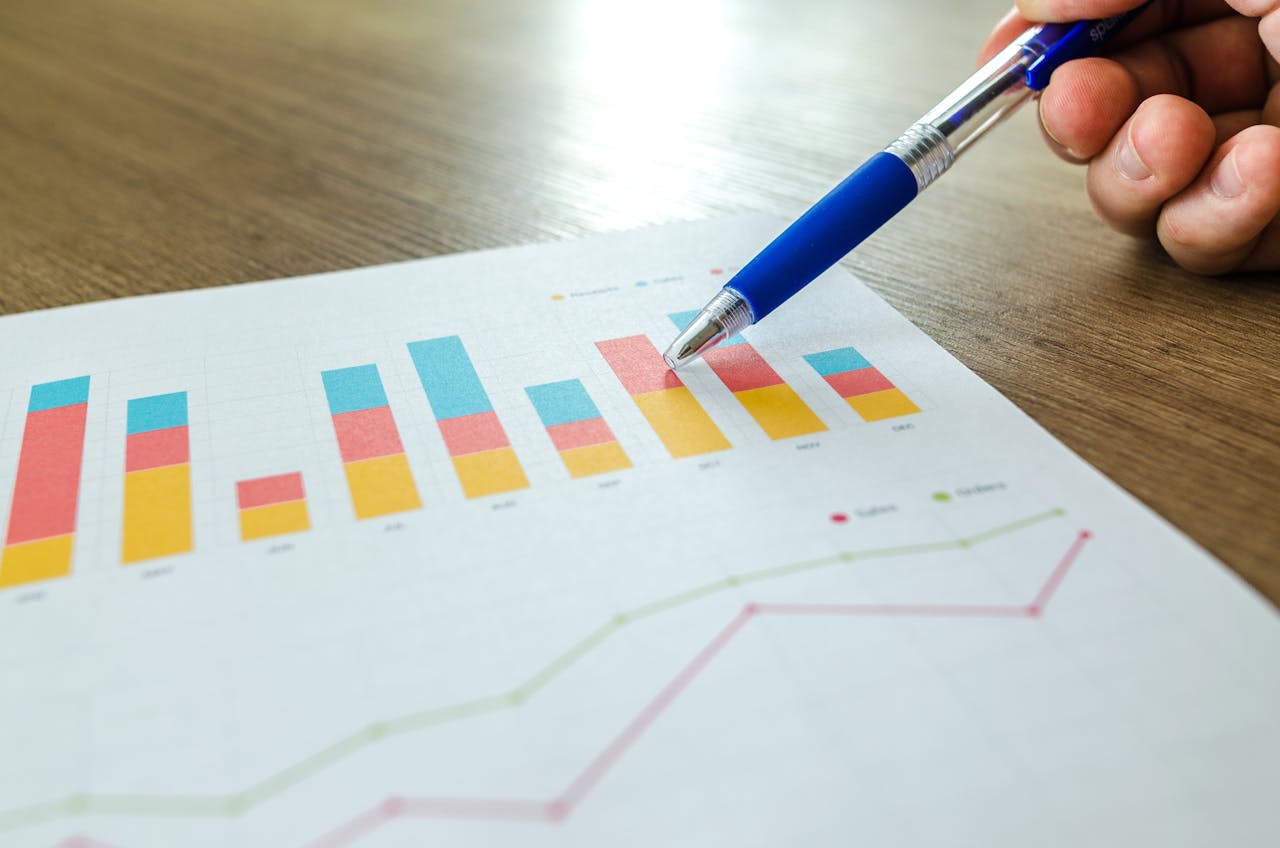
KPI stands for Key Performance Indicator (sometimes Key Performance Index). It is often misused as a buzzword, but what it really means is the metrics that matter the most for a business. For most companies, that will be sales, at least from the perspective of weekly oversight.
Another good KPI is delivery, especially in industries where delivery of the product or service is the bottleneck, not sales. There are countless more, and there is no need to have unnecessarily complicated weekly reporting, but keeping track of the most important KPIs on a weekly basis is a requirement in order to be intimately familiar with the business, which in turn is a necessity when making decisions.
This also serves a secondary purpose, relating back to the invoices and bank accounts. All of this should match. Sometimes it doesn’t, and then there might be financial leakage somewhere.
4. Lead flow and sales flow (conversions)

Sales flow is not necessarily an established term, but it is basically the conversion of leads into paying customers. Lead flow itself could have been accounted for as a KPI, but it is important enough to have its own category.
Tracking where leads come from and how they are closed—such as which sales rep closed the contract—should be done on a weekly basis.
The reasoning is largely the same as under the third point: this should track back to the KPIs, the invoices, and the bank accounts. Numbers alone generally do not tell enough of a story unless you know that story intimately.
Christoffer Nielsen
Phone: (737) 232-0838
christoffer@oakceo.com